Car key replacement Anderson IN for your security needs
Why Rekeying Your Locks Is Essential: Top Tips from Experts and Local Services Ready to Help!
Rekeying locks plays an essential role in enhancing home security. It is especially relevant after major life transitions, like relocating or going through a separation. This method invalidates previously used keys, preventing unwanted individuals from entering your home. Knowing when and how to rekey your locks can significantly affect your overall security. However, not every rekeying service offers the same level of quality. Selecting the appropriate service for your needs can truly change the outcome.
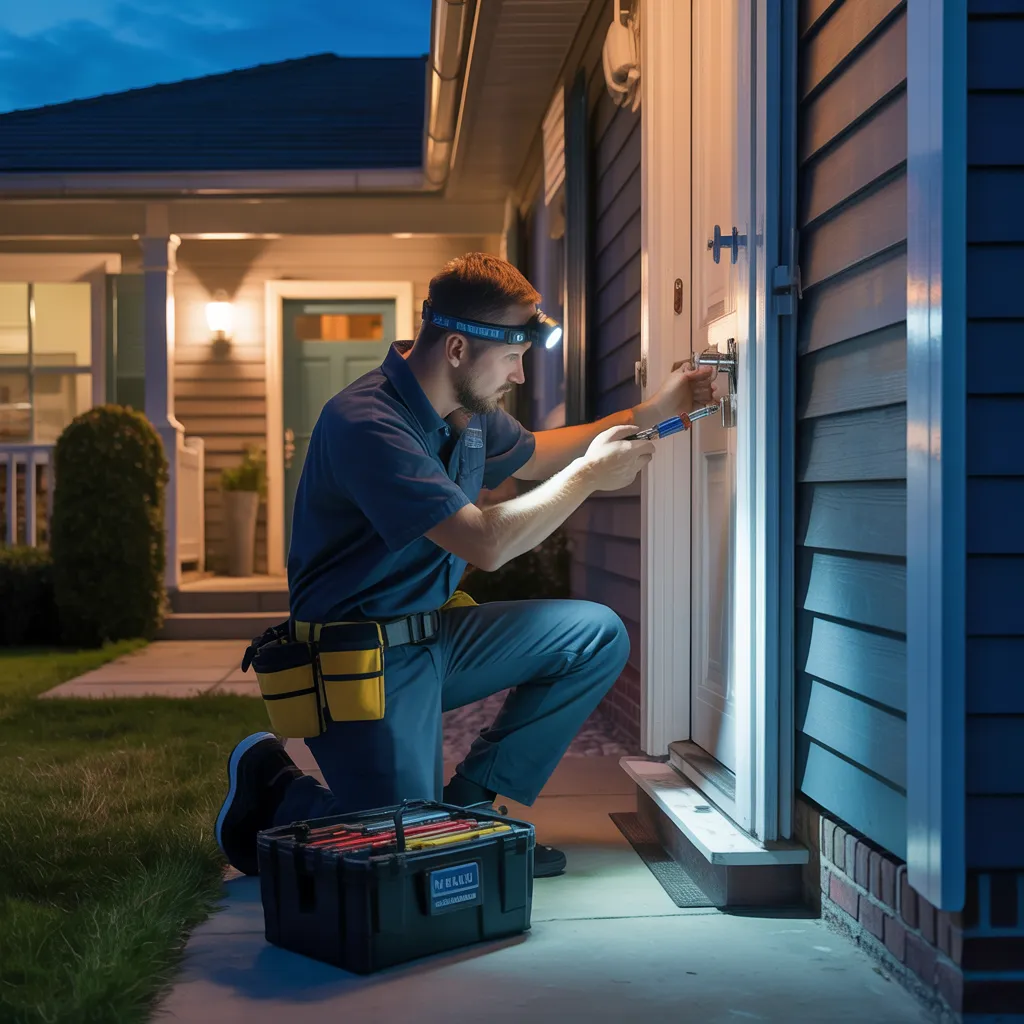
Why Rekeying Is Crucial for Your Home's Safety
Rekeying is crucial for enhancing a home's safety, especially when there are issues regarding unauthorized individuals gaining access. This method includes modifying the internal components of a lock, invalidating existing keys while offering new keys that operate flawlessly. Residents commonly face scenarios where prior keys might still be accessible, such as after a move or following a key loss. By having the locks rekeyed, they guarantee that only trusted individuals retain access to their property.
Additionally, rekeying is a cost-effective alternative to replacing entire lock systems. It not only boosts security but also provides peace of mind. Professional locksmiths can quickly perform this task, often within a single appointment. Routine rekeying can become part of a homeowner's security regimen, adjusting to shifts in living situations or safety requirements. At the end of the day, focusing on rekeying contributes substantially to a home's complete security approach.
When to Think About Rekeying Your Locks
Homeowners should consider rekeying their locks in various situations to maintain security. One typical circumstance occurs when people move into a newly purchased home; past tenants could potentially still have entry to the property. In the description same way, following a divorce or separation, rekeying ensures that a former partner is unable to access the home. Furthermore, a lost or stolen key presents a considerable security threat, which makes rekeying a wise decision.
In cases of frequent lockouts or if a lock mechanism is showing signs of wear, rekeying is often a highly effective option. Residents may find rekeying valuable during scheduled security enhancements, especially if they have invested in new security technologies. Additionally, when there is worry about keys being copied without permission, rekeying provides peace of mind. Through timely action in these circumstances, homeowners can enhance their security and protect their property effectively.
Understanding How Rekeying Works: A Simple Overview
Changing the internal workings of a lock can significantly improve security without the need for a full replacement. Rekeying involves altering the lock's internal pins and springs to produce a new key that works the lock while leaving the old key ineffective. This method begins with dismantling the lock cylinder, where the current pins are taken out and substituted with new ones of varying lengths. Each pin corresponds to a specific height on the new key. Once reassembled, the lock can only be opened with the newly cut key. The complete procedure usually demands less time than installing a new lock and tends to be more budget-friendly. Additionally, rekeying allows homeowners to maintain their current locks while improving security, especially after losing a key or moving into a new home. This method provides peace of mind without the expense and effort of a complete lock replacement.
How to Pick the Ideal Rekeying Service
Choosing the correct rekeying service can substantially impact the reliability and consistency of the security enhancement. When selecting a provider, it is critical to evaluate the company's credibility. Browsing online testimonials and asking for recommendations from trusted sources can assist in finding trustworthy specialists.
Moreover, checking the certifications and background of the locksmith is important. A insured and licensed locksmith generally ensures a better level of professionalism. It's also beneficial to learn about the methods and equipment they employ, as contemporary techniques can boost overall security.
Pricing transparency is equally an essential aspect; a trustworthy provider will offer straightforward quotes with no concealed charges. Finally, assess the availability of the service. A professional who accommodates varied schedules can handle pressing needs in a timely manner. By considering these standards, homeowners can make a confident selection, guaranteeing their rekeying concerns are resolved thoroughly and reliably.
What You Should Expect When Paying for Rekeying
When considering the expense of rekeying locks, people should be informed about the several factors that influence pricing. Such factors can encompass the intricacy of the lock mechanism and the available local services accessible. Being aware of these factors will help in making an informed decision and managing expectations regarding costs.
Understanding Rekeying Costs
Comprehending the pricing associated with rekeying locks is crucial for property owners who value safety and ease of use. Generally, rekeying services cost between $20 to $50 per lock, depending on the location and service provider. This price may increase if more locks need to be rekeyed or if unique lock types require attention. Residents should also factor in additional travel costs if the locksmith is expected to commute a long way. While some individuals may choose DIY rekeying kits, hiring a professional guarantees the job is done correctly and securely. Ultimately, investing in professional rekeying services not only enhances security but also delivers confidence, making it a smart choice for all residents.
Factors Affecting Pricing
A number of factors impact the cost of lock rekeying, making it important for residents to be aware of what to expect. First, the type of lock plays a crucial role; premium locks often require expert knowledge and specialized equipment, leading to higher costs. Moreover, the quantity of locks requiring rekeying directly affects the final expense; having numerous locks rekeyed typically brings volume savings. Service charges can differ depending on the location and chosen provider, with metropolitan regions often commanding greater fees. Finally, if supplementary options, such as emergency or off-hours assistance, are necessary, these can add to the overall cost. Homeowners should gather estimates and weigh these aspects to prepare adequately for rekeying services.
Regional Service Selections
Regional service alternatives for lock rekeying can differ significantly, providing homeowners with a range of choices suited to their specific requirements. Several area locksmiths provide on-site services, allowing technicians to come directly to the residence. This accessibility frequently features same-day availability, which can be essential for urgent situations. Pricing may depend on the complexity of the locks and the number of keys needed. Property owners can anticipate clear quotes prior to service starting, typically featuring an itemized list of labor and parts. It proves beneficial to review area testimonials and qualifications to confirm trustworthiness. Moreover, select supply stores present rekeying services as a substitute, which may be more budget-friendly for those comfortable with DIY projects.

Trusted Local Rekeying Services in Your Neighborhood
Securing trustworthy rekeying services can substantially boost home security. Local locksmiths often provide specialized rekeying services that cater to various needs, from domestic residences to commercial properties. It is crucial to take into account customer reviews and ratings to identify trustworthy professionals.
A large number of communities have locksmiths accessible at all hours, providing quick access to lock rekeying solutions in urgent situations. Several trusted providers provide mobile services, allowing technicians to reach the client's premises quickly. Additionally, community hardware shops may carry rekeying kits for homeowners who enjoy self-service solutions, though hiring a trained technician is suggested for the highest quality finish.
Additionally, community suggestions can lead to finding lesser-known professionals that may not market themselves extensively. By assessing available choices and seeking out qualified locksmith experts, residents can be certain their lock rekeying requirements are met efficiently and effectively. Following these measures can lead to enhanced reassurance regarding household safety.
Questions We Often Receive
Can I Rekey My Locks Myself, or Should I Hire a Professional?
Lock rekeying is a task that can be handled by those knowledgeable about the procedure, but hiring a professional guarantees proper handling and security. Weighing personal skill against potential risks often leads to better outcomes with expert assistance.
How Much Time Does the Rekeying Process Usually Take?
The rekeying process generally takes about 15 to 30 minutes per lock, influenced by the complexity and the technician's experience. An experienced technician can provide efficiency and accuracy, limiting any potential problems throughout the procedure.
Will Rekeying My Locks Void Any Warranties?
The process of rekeying locks usually does not invalidate warranties, as most lock manufacturers support this practice. However, it's advisable to carefully examine the warranty terms or consult with the manufacturer to confirm compliance and steer clear of unintended complications.
What Tools Do Professionals Use for Rekeying Locks?
Professionals generally utilize tools such as a rekey kit, screwdrivers, needle-nose pliers, and a cylinder plug follower. These tools aid in disassembling the lock, installing new pins, and ensuring proper functionality after the rekeying process is complete.
How Often Should I Consider Rekeying My Locks?
Experts recommend changing lock combinations on a regular basis or immediately after key loss, transitioning into a new residence, or encountering a security compromise. Routine lock rekeying enhances safety and confirms only authorized individuals are able to enter the premises.